Why Accurate Bat Sizing Matters for Performance
Choosing the right bat length aligns a player’s reach, swing tempo, and power output. A mis‑sized bat forces awkward grips, swing speed, and increases injury risk. Proper sizing boosts confidence, improves contact, and maximizes performance on the field. Players feel confident and swing smoother fa.

Step 1: Measuring the Player’s Height
Start by ensuring the player stands upright with feet together, shoulders relaxed, and arms at their sides. Place a flat, rigid board or a wall‑mounted measuring tape at the floor level. The tape should run straight up to the top of the player’s head, where the hairline meets the skull. Use a level or a laser guide to keep the tape vertical and avoid any slant that could skew the reading.
Once the tape is positioned, have the player look straight ahead and breathe normally. The measurement should be taken at the highest point of the head, not the hairline if there is a fringe or a hat. Record the height in inches or centimeters, depending on the league’s standard chart. If the player’s height is between two chart values, round up to the next available size; this ensures the bat is not too short, which can limit reach and power.
Repeat the measurement a second time to confirm consistency. If the two readings differ by more than a half‑inch (or 1.3 cm), adjust the tape or ask the player to stand slightly differently and re‑measure. Consistent height data is essential because it directly influences the bat length recommendation and, ultimately, the player’s swing mechanics.
Tip: Use a sturdy, straight board or a wall‑mounted tape to avoid sagging. Keep the tape perpendicular to the floor; a small tilt can add a few inches to the reading. After measuring, double‑check the tape’s tension and ensure the player’s posture is natural, not forced. forced. keep tape level accuracy.
Step 2: Determining the Player’s Weight
To accurately gauge a player’s weight, use a calibrated digital scale that reads in both pounds and kilograms. Have the athlete stand barefoot, with feet shoulder‑width apart, and hold a light jacket or shirt if they normally wear one during play. Record the weight at the same time of day each measurement is taken—morning after waking and before eating is ideal to reduce fluctuations caused by food or fluid intake.
When the scale is set, ensure the player’s torso is upright and the hips are neutral. Avoid leaning or squatting, as this can compress the abdomen and skew the reading. If the player is wearing a heavy jacket or baseball uniform, subtract the weight of those items from the total to obtain a “dry” body weight that reflects the athlete’s actual mass.
After obtaining the weight, cross‑reference it with the height measurement in the standard bat size chart. Most charts use a weight range to suggest a bat length; for example, a 140‑lb player might be recommended a 32‑inch bat. If the weight falls between two chart entries, lean toward the higher value to avoid a bat that feels too short.
Keep a log of each measurement, noting the date, time, and any clothing or gear worn. This record helps track growth trends and ensures future bat selections remain aligned with the player’s evolving physique.
Finally, weight fluctuates due to hydration, meals, and training load. Recording these variations lets coaches fine‑tune bat length over a season, ensuring the athlete so natural and powerful and keeps the swing fluid.!
How Height and Weight Translate to Bat Length
Height and weight are the two primary variables that a standard bat size chart uses to recommend a bat length. A player’s height determines the reach from the ground to the top of the bat, while weight influences the swing weight and the amount of force a batter can generate. In practice, a taller player will often need a longer bat to keep the barrel within striking distance, whereas a heavier player may benefit from a slightly longer bat to take advantage of their greater mass and power potential.
When using a chart, first locate the player’s height in the left column and then find the corresponding weight range in the top row. The intersection of those two values gives the suggested bat length. For example, a 5’10” athlete who weighs 170 pounds would typically be directed toward a 32‑inch bat. If the weight falls between two ranges, most charts advise choosing the higher length to avoid a bat that feels too short.
It’s also important to remember that these charts are guidelines. A player’s individual swing mechanics, hand size, and comfort level can shift the ideal length slightly. Therefore, after selecting a length from the chart, it’s wise to swing a few bats that are a few inches longer or shorter to confirm the best fit. This hands‑on testing ensures that the chosen bat complements the player’s height and weight while delivering optimal performance on the field.
Because bat length also affects swing weight, a heavier player may feel a longer bat as heavier, but the added length can provide a better swing arc and more bat speed. Coaches often recommend testing the bat’s feel in a live swing session, noting any changes in timing or comfort. Adjustments can be made by adding or removing a few inches to fine‑tune the balance.
In short, height and weight together give a baseline bat length, but personal feel and swing mechanics ultimately decide the final choice. A well‑chosen bat length can elevate a player’s performance, reduce fatigue, and enhance confidence on the field. Practice with the chosen bat to confirm the fit.
Reading the Standard Bat Size Chart
Standard bat size charts are designed to translate a player’s height and weight into a recommended bat length. The chart is typically arranged with height on the left side and weight ranges along the top. To read it, first locate the player’s height in the left column. Then find the weight range that matches the player’s weight in the top row. The cell where the height and weight intersect displays the suggested bat length in inches. For example, a 5’8” player weighing 150 pounds will usually see a 30‑inch recommendation. If the weight falls between two ranges, most charts advise selecting the higher length to avoid a bat that feels too short.
It is essential to treat the chart as a starting point rather than a strict rule. The numbers are based on averages and may not account for a player’s swing mechanics, hand size, or personal comfort. After selecting a length from the chart, it is recommended to swing a few bats that are a few inches longer or shorter to confirm the fit. A bat that feels too heavy or too light can disrupt timing and reduce power.
When reviewing the chart, also pay attention to the drop number and swing weight indicated for each length. A higher drop number means a lighter bat, which can help a player achieve a faster swing speed. Conversely, a lower drop number indicates a heavier bat, which can provide more power but may be harder to swing quickly. Balancing these factors with the player’s physical attributes will help ensure the chosen bat maximizes performance.
Use the chart as a starting point, but always swing a few lengths to feel what works best!!!!! Enjoy! Thanks!!!.

Exploring Drop Numbers and Swing Weight
Drop numbers indicate the difference between a bat’s length and its weight, expressed in inches. A higher drop (e.g., –12) means the bat is lighter, while a lower drop (e.g., –10) means it is heavier. Swing weight, measured in ounces, reflects how much effort a player must apply to swing the bat. A bat with a 27‑inch drop 12 will have the same swing weight as a 26‑inch drop 11, because the weight difference compensates for the extra length.
Choosing the right drop is a balancing act. A lighter drop can increase swing speed, allowing a player to hit the ball earlier, but it may reduce power if the bat feels too flimsy. A heavier drop can add power but may slow the swing, affecting timing. Players often test several drops, swinging each to gauge comfort and performance.
Swing weight is critical for timing. A bat that feels too heavy can cause a player to lose rhythm, while a bat that is too light can lead to a lack of control. Many manufacturers provide swing weight charts that pair drop numbers with recommended swing weights for different player heights and weights. Using these charts helps ensure that the bat’s feel matches the player’s strength and swing mechanics.
Ultimately, the goal is to find a drop and swing weight that feel natural, allowing the player to maintain a consistent swing tempo while maximizing power and contact. Experimentation and personal preference play a large role, so always test before purchasing.
Choosing Between Wood and Composite Bats for Size
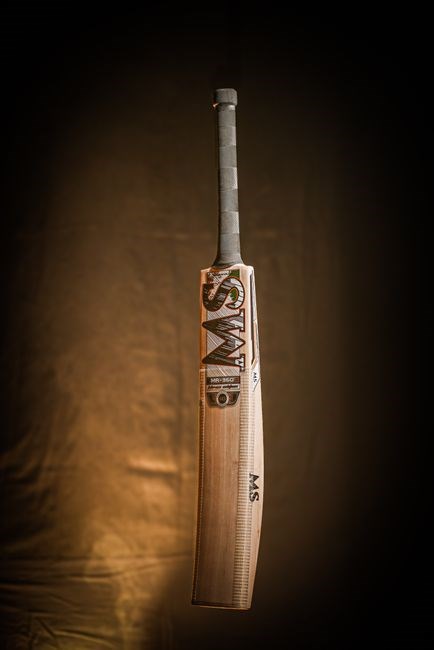
When sizing a bat, the material choice—wood or composite—directly influences length, weight, and performance. Wood bats, typically made from ash, maple, or birch, offer a classic feel and a predictable swing weight that many players trust. They tend to be heavier for a given length, which can help generate power but may limit swing speed for shorter players.
Composite bats, constructed from carbon fiber, graphite, or a blend, are engineered to be lighter while maintaining structural integrity. For the same drop number, a composite bat will often feel lighter, allowing a player to swing faster and with less fatigue. This can be especially beneficial for younger athletes or those with less upper‑body strength.
Size selection also depends on league regulations. Some leagues restrict composite bats to certain lengths or require a specific drop range. Wood bats are usually more flexible in length options but may be subject to stricter weight limits. Players should consult the league’s official guidelines before finalizing a size.
Ultimately, the decision hinges on a player’s swing style, strength, and comfort. A wood bat may provide a more natural feel for seasoned hitters, while a composite bat can offer a lighter, more responsive option for developing players; Trying both materials in a swing test can reveal which combination best aligns with a player’s mechanics and goals. Remember to test each bat in real game conditions to ensure the best fit!!
Special Considerations for Youth and Junior Leagues
In youth and junior leagues, bat sizing is guided by height, weight, and league rules that often mandate a maximum length and a specific drop range. Coaches and parents should first measure the player’s height and weight, then consult the official league size chart. The chart provides a recommended length that balances reach and swing speed for developing athletes.
Because younger hitters are still refining their mechanics, it is wise to test a few bats that are slightly longer or shorter than the chart’s suggestion. Swinging a bat with a drop number that matches the player’s weight can help maintain a consistent swing weight, ensuring the bat feels neither too heavy nor too light. Many youth leagues allow composite bats, which are lighter and can improve swing speed, but they must still meet the league’s length and weight limits.
Parents should also consider the player’s comfort and confidence. A bat that feels slightly heavier can encourage proper arm swing, while a lighter bat may help younger players develop speed. By combining accurate measurements, league rules, and hands‑on testing, youth players can find a bat that supports growth, safety, and performance on the field. Coaches should also monitor the player’s growth; a bat that was perfect last season may become too long as the athlete gains height.
Finally, storage and maintenance are crucial. Keep the bat in a padded case to prevent damage, and avoid exposing it to extreme temperatures. For wood bats, a light coat of protective wax can extend life, while composite bats should be kept dry. Regular inspection for cracks or delamination ensures safety and longevity, allowing young hitters to focus on improving their swing without equipment concerns. Practice sessions with the new bat can reveal subtle differences in feel that may not be obvious during a single swing test.
League Regulations That Affect Bat Size
Each league imposes specific limits on bat length, weight, and drop number to ensure fairness and safety. Major League Baseball (MLB) sets a maximum length of 42 inches and requires a minimum drop of –12 for wood bats, while youth leagues often cap length at 38 inches with a drop range of –10 to –12. The National Federation of State High School Associations (NFHS) mandates a 40‑inch maximum for high‑school players and a –12 drop for composite models. The Little League Baseball (LLB) uses a 36‑inch maximum for 12‑year‑olds and a –10 drop for 10‑year‑olds. These rules also dictate the permissible weight range, ensuring that a bat’s swing weight does not exceed the player’s body mass by more than 1.5 lb. Compliance is verified by official bat inspections at the start of each season, and non‑compliant bats are rejected or returned for adjustment. Because regulations vary by age group, gender, and competition level, players and parents must consult the governing body’s published chart before purchasing. Failure to adhere can result in disqualification or penalties, so accurate measurement and adherence to the chart are essential for a legitimate, competitive bat choice.
Additionally, many state and regional associations adopt the International Softball Federation (ISF) guidelines for softball, which set a 38‑inch maximum and a –10 drop for youth. The National Softball Association (NSA) requires a 39‑inch maximum for high‑school players and a –11 drop for college. Players must also be aware that some leagues enforce a minimum swing weight based on the player’s height and weight ratio, calculated by dividing the player’s weight by 10 and adding 5. This ensures that the bat’s swing weight remains proportional to the athlete’s body mass. Finally, the International Baseball Federation (IBAF) stipulates that all international competitions use a 42‑inch maximum and a –12 drop for wood, with composite bats limited to a 40‑inch maximum and a –10 drop. These regulations aim to standardize equipment, promote safety, and preserve the integrity of the sport across all levels.
Before finalizing a purchase, teams often conduct a swing‑weight test in the presence of a league official. The test involves measuring the bat’s balance point and swing weight using a calibrated scale. If the bat’s swing weight falls outside the league’s specified range, the bat must be adjusted by adding or removing a small weight at the handle or barrel. This process ensures compliance and prevents unfair advantage. Moreover, certain leagues, such as the American Amateur Baseball Association (AABA), permit a 0.5‑inch variation in length for players who are between two height brackets, provided that the drop number remains within the prescribed range. All adjustments must be documented in the league’s equipment log. These nuanced rules underscore the importance of meticulous measurement and adherence to the official size chart.
Testing Bats: What to Look for in a Swing Test
When a player swings a bat, the feel of the barrel, the balance point, and the swing weight are the three critical metrics that determine whether the bat will deliver consistent contact and power. A proper swing test begins by measuring the bat’s balance point, which is the spot where the bat would rest on a finger if it were suspended. The balance point should be between 8 and 10 inches from the handle for most adult players; a point that is too close to the handle makes the bat feel heavy, while a point that is too far out makes it feel unwieldy. Next, the swing weight is measured by placing the bat on a calibrated scale and recording the weight at the balance point. A swing weight that is 1–2 lb heavier than the player’s body weight can cause fatigue, whereas a lighter swing weight can reduce impact power. Finally, the drop number is verified by subtracting the bat’s weight from its length. A drop of –12 is common for wood bats, but a –10 or –11 drop may be preferable for players who prefer a lighter feel. During the test, the player should swing the bat at a natural tempo, noting any hesitation or “twitch” in the barrel. A smooth, consistent swing indicates that the bat’s length, weight, and drop are well matched to the player’s biomechanics. If the bat feels too stiff or too loose, the player may need to adjust the length or choose a different drop number. By systematically evaluating balance point, swing weight, and drop number, coaches and players can ensure that the bat chosen will maximize performance while minimizing injury risk.
Adjusting Bat Length as the Player Grows
As a child matures, height and arm span increase, requiring a longer bat for reach and power.!
Avoiding Common Size Selection Pitfalls
Choosing the proper bat length is a nuanced process that hinges on a player’s current stature, swing mechanics, and league rules. A common mistake is to rely solely on height, ignoring weight and arm span, which can skew the ideal length. Another pitfall is selecting a bat that feels “just right” in the shop but neglecting to test it in a real swing; a bat that is too long can slow a hitter’s cadence, while one that’s too short can limit reach and power. Over‑emphasis on brand hype can also lead to overpaying for a bat that doesn’t match the player’s profile. Always compare the measured height and weight to a reputable size chart, then swing a handful of options that fall within the recommended range. Pay close attention to swing weight and feel; a bat that feels heavy at the handle may feel unwieldy, even if the length is correct. Finally, remember that league regulations can cap maximum length, so verify compliance before finalizing the purchase. By systematically eliminating these common errors, players can secure a bat that truly enhances performance and confidence on the field.
Another subtle mistake is overlooking swing weight; a bat that feels light at the handle may actually be heavier in the barrel, throwing off timing. Ignoring hand size can cause grip discomfort, while neglecting arm‑length changes as a player grows can make a bat feel too short or too long. A break‑in period means a new bat may feel stiff until swung a few times, misleading a hitter into choosing a size that seems off at first glance! Many hitters overlook a bat’s balance point, which can alter swing feel power output.
Bat is 32 inches, while bats may reach 34 inches in some leagues. Drop numbers are constrained; bats typically have a drop of –10 to –12, ensuring a swing weight that matches league‑approved swing speeds. Hitters experiment with reach while staying within guidelines.
Material rules differ: aluminum or composite, leagues permit wood in college play. (1 in. for aluminum, 1.25 in. for composite). Balance points are at 20 in. from the handle in bats, whereas bats can be balanced from 18 to 22 in., hitters the feel of the bat to their swing style.
Submit each model for league certification, ensuring weight, length, and balance meet tolerances. Need to meet guidelines, can increase variance. A bat legal in a setting may be disqualified if it exceeds the 32‑inch limit or falls outside the approved drop range. Players transitioning from amateur to play need to adjust to a model to match swing speeds and tolerance for weight in the pros.
When choosing a bat, players should also consider handle length and grip width, as they affect swing mechanics. A longer handle increases leverage but may reduce control, while a narrower grip can enhance wrist action but cause fatigue. The balance between barrel weight and weight influences launch angle and bat speed. Testing configurations helps find the optimal setup for each swing profile. Ensure compliance!!

Where to Purchase and Properly Store Bats
Finding the right bat starts with a reliable retailer. Local sporting‑goods stores are a convenient option; staff can help match a model to a player’s height and weight, and many offer bat boxes that fit most dimensions. If you prefer online shopping, USPS.com provides free telescope boxes that protect the bat during shipping, ensuring it arrives in pristine condition. When selecting a bat, it’s wise to swing several lengths in person. A slightly longer bat may feel more natural as a player grows, while a shorter bat can reduce swing weight and improve control in tight spaces.
Once you’ve chosen a bat, proper storage preserves its performance. Keep the bat in a dry, temperature‑controlled environment and avoid hard surfaces that could crack the barrel. A padded holder or hanging rack protects the barrel from impact. If you’re traveling, use a padded case or a dedicated bat box to prevent scratches and dents. Regular inspection for cracks or damage is essential, especially after hard contact or a drop. Store the bat with the barrel facing up to reduce stress on the handle. Some players prefer to keep the bat in a protective sleeve when not in use, which adds an extra layer of safety. By purchasing the right bat and storing it correctly, players can maintain performance and extend the life of their equipment.
Check the bat’s serial number and ensure it matches the manufacturer’s certification; Proper documentation helps avoid penalties and guarantees safety standards.
Final Tips for Confidence and Comfort with the Chosen Bat
Confidence begins with a feel that matches a player’s natural swing. Before committing, let the batter hold the bat for a full swing, feeling the balance point and weight distribution. A bat that feels too heavy or too light can break rhythm and reduce power. Test a few lengths in a controlled environment—preferably a batting cage or a field with a pitching machine—to gauge how the bat reacts to contact. Pay attention to the moment the bat leaves the hand; a smooth release indicates proper length and swing weight.
Comfort also comes from consistent practice. Once a bat is selected, schedule regular at‑bat sessions to build muscle memory. Gradually increase intensity, allowing the body to adapt to the bat’s feel. If a player feels fatigue in the forearm or wrist after a few innings, consider a slightly lighter drop or a different handle material. Many manufacturers offer ergonomic grips that reduce strain.
Another key factor is the bat’s maintenance. Keep the barrel clean and free of cracks; a damaged barrel can alter swing dynamics. Store the bat in a padded holder to avoid impact damage. When traveling, use a dedicated case to protect the bat from bumps. Regularly inspect the bat for any signs of wear and replace it if necessary. A well‑maintained bat feels more reliable and boosts confidence on the field.
Finally, trust your instincts. If a bat feels right in the hand and produces consistent contact, it’s likely the best choice. Combine this with the measurements from height and weight, and you’ll have a bat that supports both performance and comfort. With these steps, a player can confidently select a bat that feels natural and performs consistently, turning each swing into a powerful, enjoyable experience.